
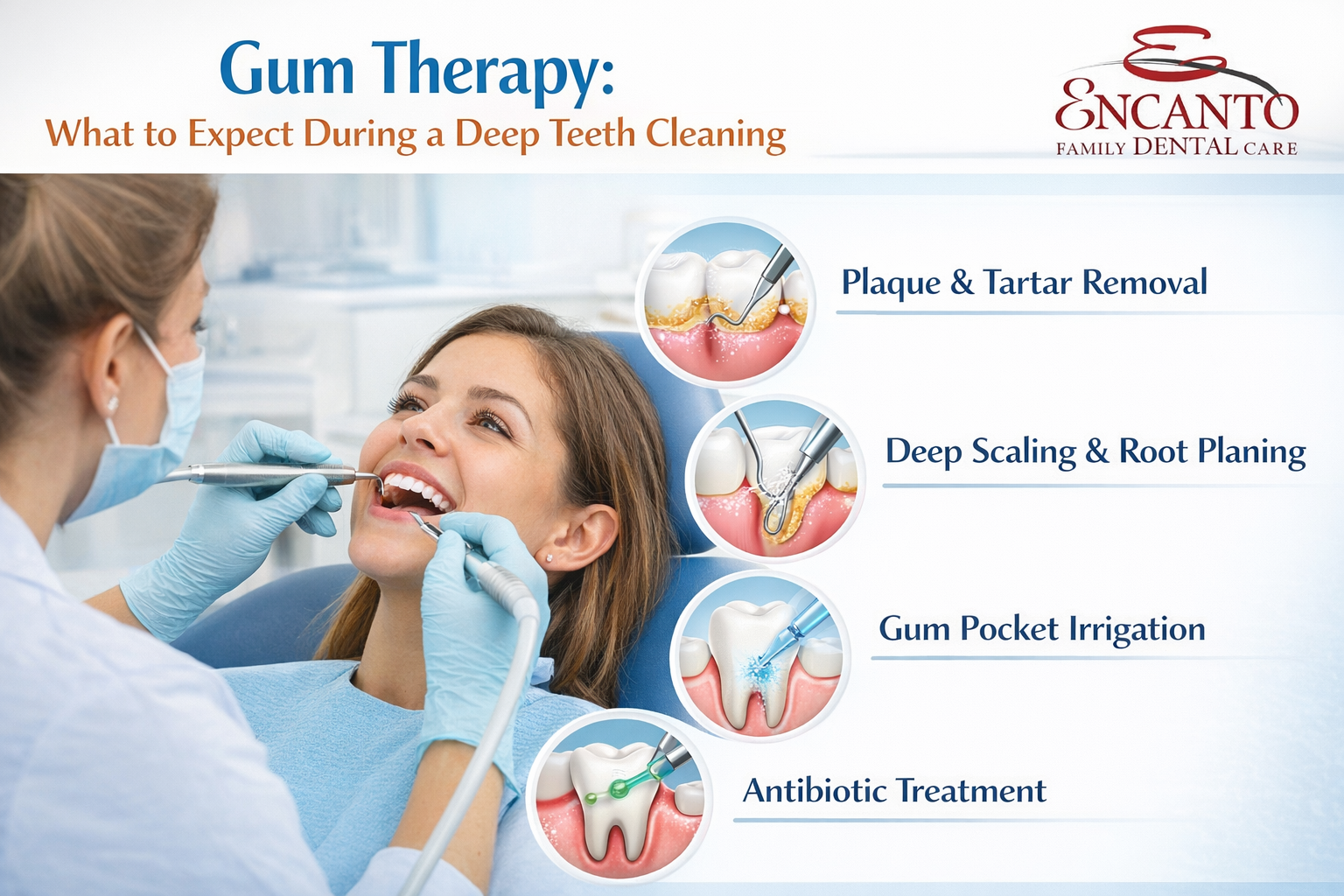
If your gums have been feeling tender, swollen, or bleeding when you brush, it might be time to look beyond a routine cleaning. Gum therapy—often called a deep teeth cleaning—is a targeted treatment designed to restore your gum health and protect your smile for the long run. At Encanto Family Dental Care, patients are often surprised by how comfortable and effective this process can be.
Let’s walk through what really happens during a deep cleaning so you can feel confident before your visit.
Why Gum Therapy Matters
Healthy gums are the foundation of a healthy mouth. When plaque and tartar build up below the gumline, they can lead to gum disease, also known as periodontal disease. Left untreated, this can cause gum recession, bad breath, and even tooth loss.
That’s where professional Dental Cleanings Phoenix come into play—especially when a standard cleaning isn’t enough. Deep cleaning goes further to remove harmful bacteria and help your gums heal.
What Happens During a Deep Teeth Cleaning
Gum therapy typically involves two key steps: scaling and root planing.
1. Initial Exam and Diagnosis
Your dentist will examine your gums, measure pocket depth, and may take X-rays. This helps determine how advanced the gum disease is and whether deep cleaning is needed.
2. Scaling
This step removes plaque and tartar from below the gumline. Special tools are used to clean areas that regular brushing and flossing can’t reach.
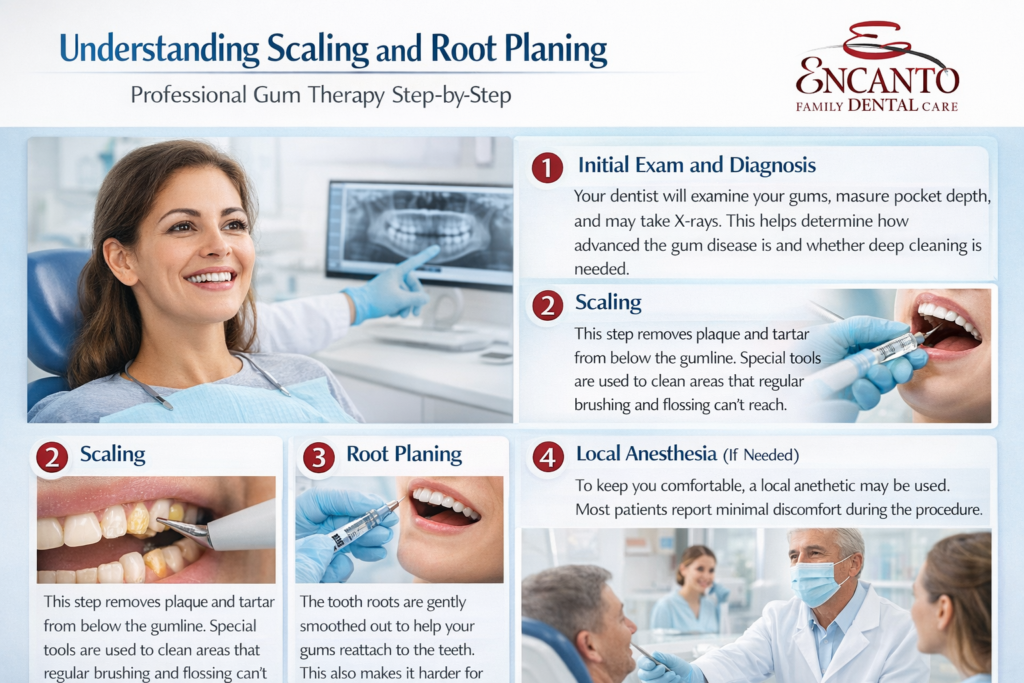
3. Root Planing
The tooth roots are gently smoothed out to help your gums reattach to the teeth. This also makes it harder for bacteria to build up again.
4. Local Anesthesia (If Needed)
To keep you comfortable, a local anesthetic may be used. Most patients report minimal discomfort during the procedure.
5. Multiple Visits
Depending on your condition, treatment may be completed over one or two visits, focusing on different areas of your mouth.
Aftercare: What to Expect Post-Treatment
After your deep cleaning, it’s normal to experience mild sensitivity or tenderness for a few days. Here’s how you can care for your gums:
- Use a soft-bristled toothbrush
- Rinse with an antibacterial mouthwash
- Avoid very hot or cold foods temporarily
- Stick to a consistent oral hygiene routine
Your dentist may also recommend follow-up visits to monitor healing and maintain results.
Why Phoenix Patients Benefit from Gum Therapy
Living in Phoenix comes with its own set of challenges—dry climate, busy lifestyles, and dietary habits can all impact oral health. Many locals delay dental visits due to packed schedules, which allows gum issues to progress unnoticed.
At Encanto Family Dental Care, we focus on preventive care tailored to the Phoenix community. Regular visits and early intervention can help you avoid more complex treatments down the line.
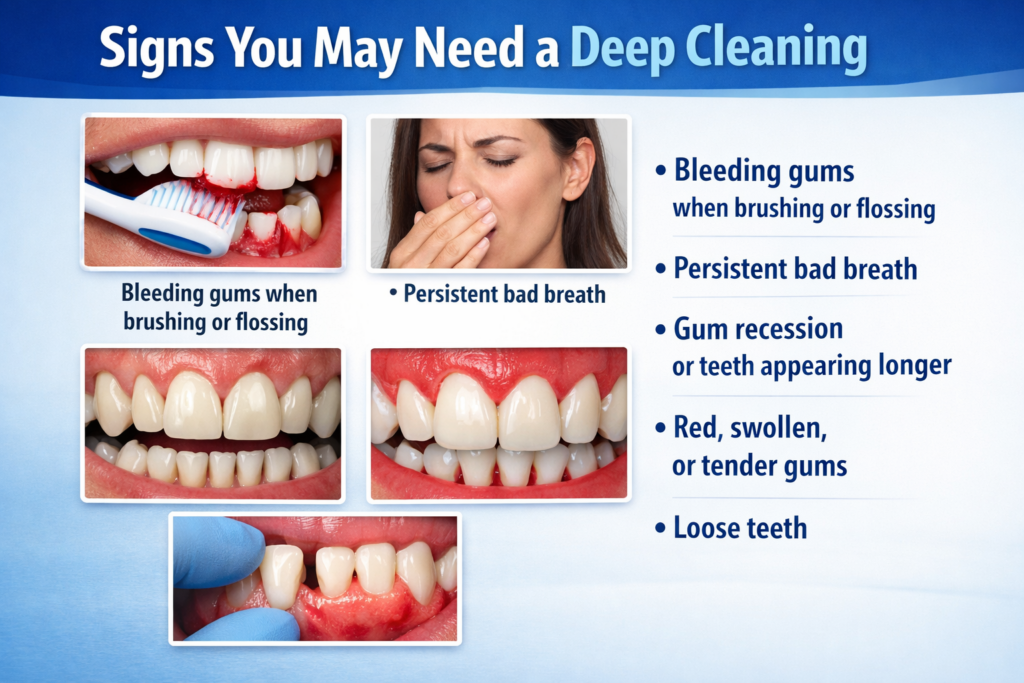
Signs You May Need a Deep Cleaning
- Bleeding gums when brushing or flossing
- Persistent bad breath
- Gum recession or teeth appearing longer
- Red, swollen, or tender gums
- Loose teeth
If you notice any of these, it’s time to schedule a visit.
Tips to Maintain Healthy Gums
- Brush twice daily with fluoride toothpaste
- Floss at least once a day
- Stay hydrated (especially important in Phoenix heat)
- Avoid tobacco products
- Schedule regular dental visits
Consistent care combined with professional Dental Cleanings Phoenix can keep your gums healthy and strong.
Ready to Protect Your Gum Health?
Gum therapy isn’t just about cleaning—it’s about preventing long-term damage and preserving your natural teeth. If you’ve been putting off treatment, now is the time to take control of your oral health.
Frequently Asked Questions
Is deep teeth cleaning painful?
Most patients feel little to no pain during the procedure thanks to local anesthesia. Some mild soreness afterward is normal.
How long does the procedure take?
It typically takes 1–2 hours per visit, depending on how many areas need treatment.
How often do I need gum therapy?
This depends on your gum health. Some patients need it once, while others may require ongoing periodontal maintenance.
Can gum disease be reversed?
Early-stage gum disease can often be reversed with proper care. Advanced stages can be managed effectively with treatment.
When can I eat after the procedure?
You can eat once the numbness wears off, but it’s best to stick to soft foods initially.
Related Articles